

Malé
Everyday Maldivian life, packed onto one small island.
- Role
- The centre of Malé City
- Getting There
- Taxi over the bridge, or the airport ferry
- Getting Around
- Walkable core, motorcycles everywhere
- Known For
- Markets, mosques & cafés
Malé is the capital of the Maldives and the country's commercial and political centre. Compact and densely built, the island packs markets, mosques, cafés, and offices into a small, walkable area. For most visitors, almost everything is within walking distance.
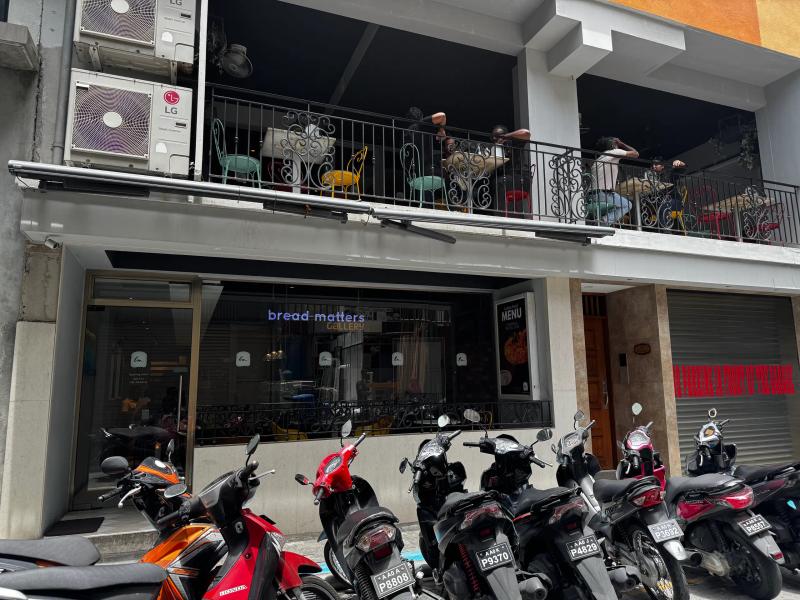
Malé is one of the most densely populated islands in the world, and it feels like it. Tightly packed buildings line narrow one-way streets, motorcycles fill every gap, and the city runs on an everyday rhythm of offices, markets, and school runs. There is no resort polish here. That is exactly why it is worth seeing: this is where urban Maldivian life actually happens.
Half a day on foot covers the main sights: the fish and produce markets by the harbour, Hukuru Miskiy and Muliaage, the Islamic Centre, Sultan Park, and a seafront walk at Rasfannu. A full day adds cafés, shopping streets, and time to wander. Even a short airport layover is enough for a taste; see our two-hour rush tour.
Stay in Malé if you want to be inside the city, near the markets and the ferry jetties. If you mainly want an easy night near the airport and a beach to walk on, Hulhumalé suits most stopovers better. Vilimalé is a short ferry ride for a quiet afternoon rather than a base. For fares, SIMs and the rest of the arrival details, read Practical Information for Visiting Malé City.


Getting There & Around
From the airport
Malé connects to the airport island by the Sinamalé Bridge. Taxis make the crossing in around ten minutes for a set fare of MVR 70, and RTL buses run between Velana International Airport and the city for about MVR 10.
Getting around
Most locals get around on motorcycles, and you will notice absurdly many of them. On foot, the main sights cluster close together and are easy to reach, but walking end to end through the traffic can feel overwhelming. Taxis charge flat, government-set fares, around MVR 30 for trips within the island, and are usually booked by phone or app rather than hailed.
Ferries
The Vilimalé Ferry Terminal at the western end runs a regular ferry to Vilimalé for MVR 3.25. Boats to nearby islands leave from the jetties along the harbour front.
Timetables and fares change. Check MTCC for ferries and RTL for bus and ferry schedules before you travel.

Places to See
See All
Hukuru Miskiy
The Old Friday Mosque, built from carved coral stone in 1658. One of the oldest surviving buildings in the country.
View
Islaamee Marukazu
The Islamic Centre and Grand Friday Mosque. Its gold dome is the most recognisable point on the Malé skyline.
View
Sultan Park
A shaded public park on the grounds of the former royal palace, beside the National Museum.
View
Muliaage
The official residence of the President, built in the early 1900s. It faces Hukuru Miskiy and is viewed from the street.
View
Rasfannu Beach
An artificial beach on the western seafront with a breakwater-protected swimming area, popular with local families.
View
Artificial Beach
A man-made beach on the eastern seafront used for swimming, evening walks, and gatherings.
ViewEat in Malé
View All 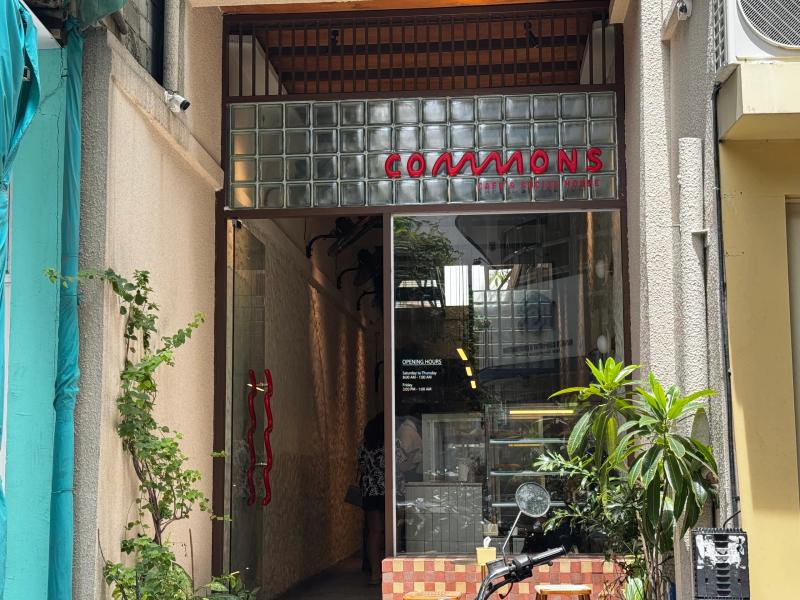
Commons Cafe & Social House
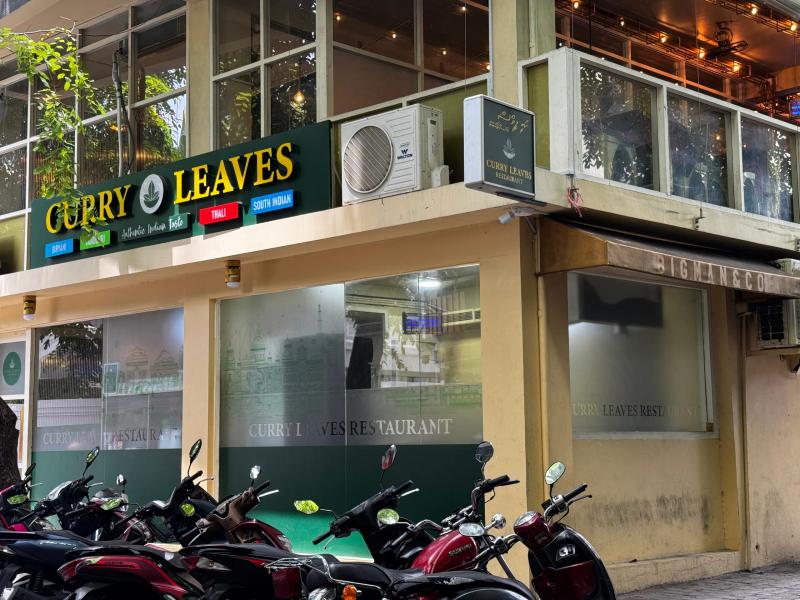
Curry and Leaves
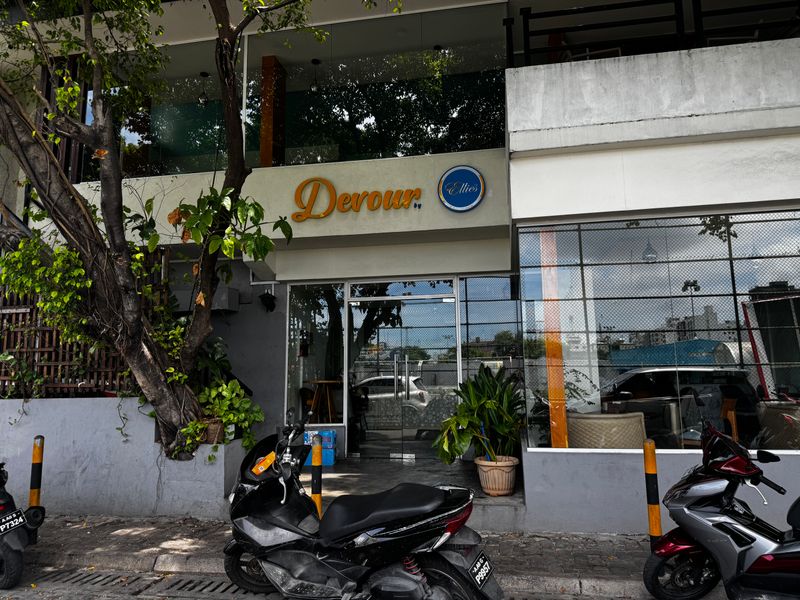
Devour by ellies
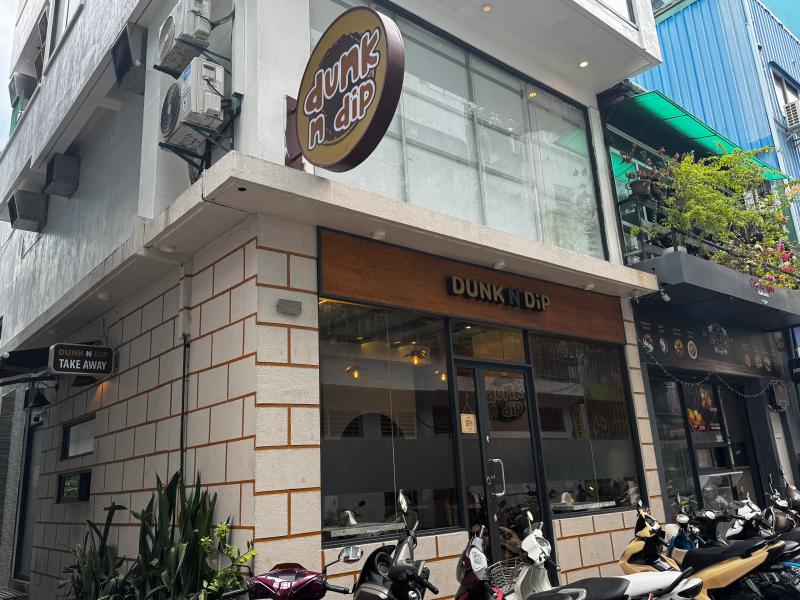
Dunk n Dip
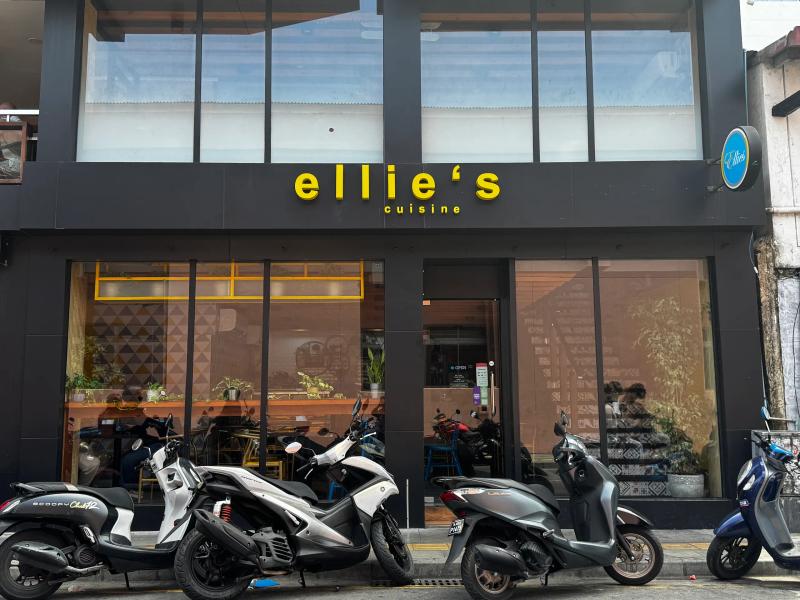
Ellie's Cuisine
Stay in Malé
View All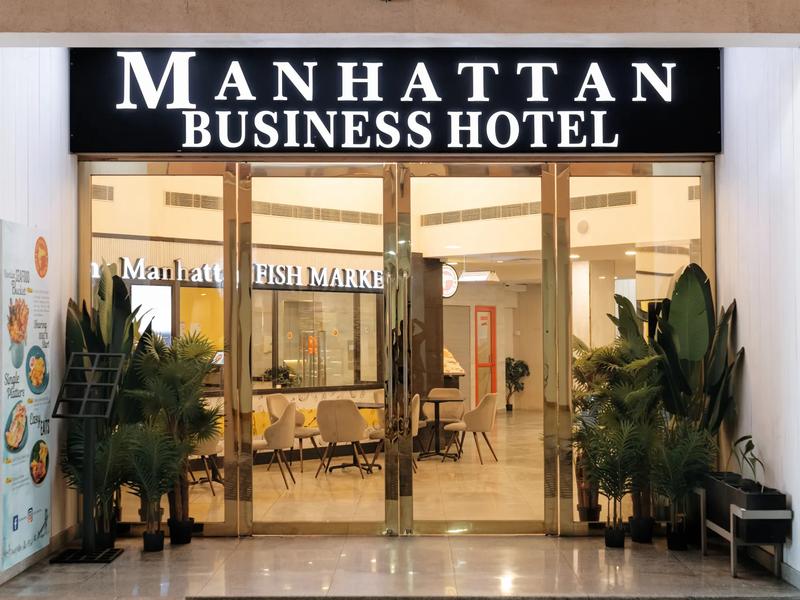
Manhattan Business Hotel
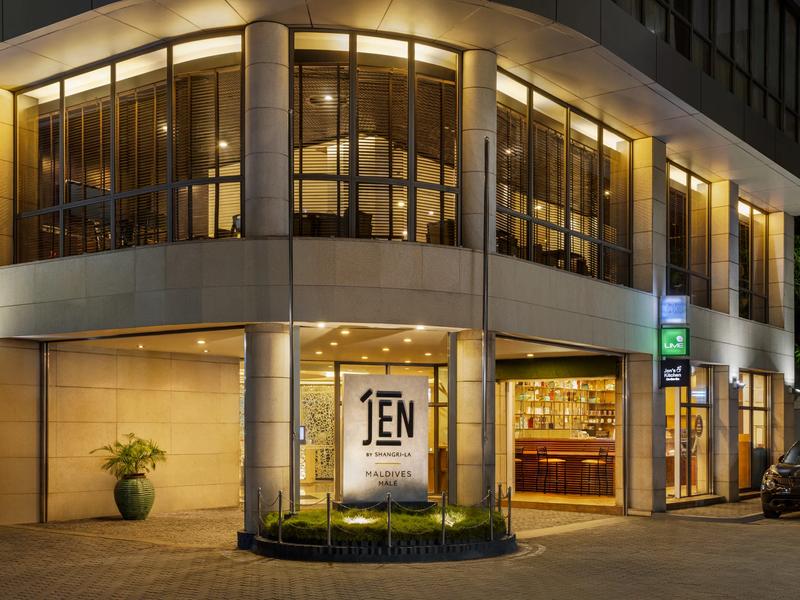
JEN Maldives Malé by Shangri-La

Good to Know
What to wear
Malé is not a resort island and there are no bikini beaches anywhere in Malé City. Swim in modest swimwear at the public beaches. Around town, dress is relaxed: shorts and normal summer clothing are fine, and nothing is enforced. Cover shoulders and knees only when entering a mosque.
Alcohol
Alcohol is illegal on local islands and is not sold anywhere in Malé, including hotels and restaurants. Licensed bars exist only at resorts and at Hulhule Island Hotel on the airport island.
Fridays and prayer times
Friday is the main day off; shops open late and streets stay quiet until after Friday prayers. Through the week, shops close briefly at each of the five daily prayer times; cafés stay open.
Money
ATMs are widespread and cards are accepted in most cafés and shops. Keep some rufiyaa in cash for markets, hotaas, and taxis. US dollars are widely accepted.
Frequently Asked Questions
How do I get from the airport to Malé? +
By taxi or bus across the Sinamalé Bridge. The crossing takes about ten minutes by car, and taxis charge a set fare of about MVR 70.
Is Malé safe for tourists? +
Generally yes. Crime against visitors is rare, and the city is busy and well lit into the evening. Use the same care with phones and bags you would in any crowded market area.
Can you swim in Malé? +
Yes, at Rasfannu on the west side and the Artificial Beach on the east. Both are man-made and protected by breakwaters. Modest swimwear applies; bikinis are not permitted on public beaches in Malé.
Can non-Muslims visit the mosques? +
The Islamic Centre's Grand Friday Mosque admits visitors outside prayer times, dressed modestly with shoulders and knees covered. Hukuru Miskiy you can see very well from the outside without entering the building: outside prayer times, its carved coral stonework is clearly visible from the street.
Is Malé walkable? +
Yes. The island is about two kilometres across, and most points of interest sit within a twenty minute walk of each other.
Do I need cash in Malé? +
Cards work in most restaurants and shops. Keep some rufiyaa for markets, hotaas, and taxis. US dollars are accepted at most tourist-facing businesses.


